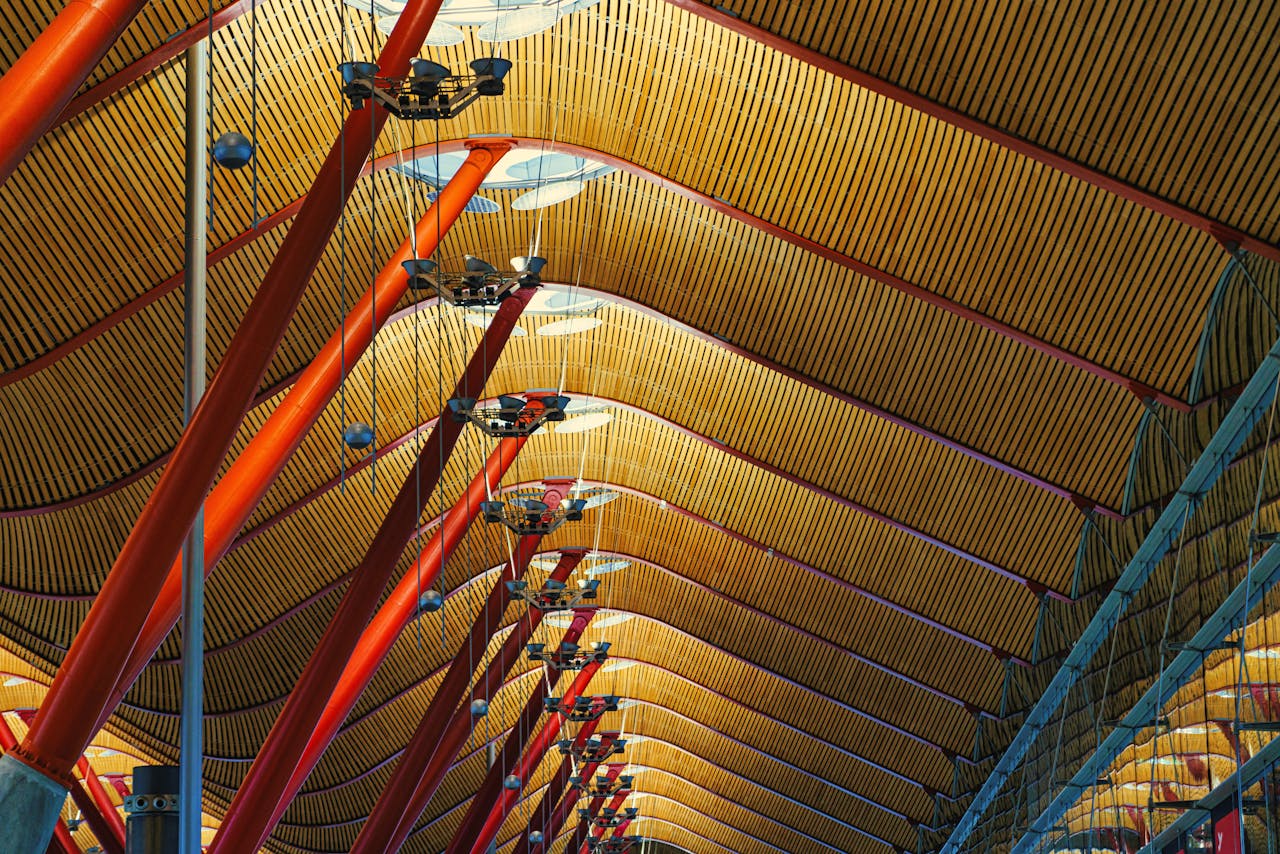
Airports, hotels, cruise terminals and transport lounges are no longer designed only around movement. They are expected to feel calm, efficient and memorable, even when large numbers of people pass through them each day. A wood wool ceiling can support this shift by bringing texture, warmth and acoustic control into busy travel environments. In places where announcements, rolling luggage, conversations and foot traffic create constant sound, ceiling materials can help soften the atmosphere while still contributing to a polished architectural look.
An open cell ceiling is also useful in travel settings because it can create visual order without making large spaces feel closed or heavy. Its grid-like structure can help conceal services while still allowing access to lighting, ventilation and maintenance points. This makes it practical for terminals, hotel lobbies and transit corridors where technical performance matters as much as appearance. The open design can also guide the eye through a space, making large interiors feel more organised and easier to navigate.
A mesh ceiling can add another layer of flexibility for the travel industry. Its lightweight, modern appearance suits airports, train stations, hospitality venues and premium waiting areas where designers want a balance between durability and visual interest. Mesh finishes can work with lighting to create depth, shadow and movement, which is valuable in spaces that need to feel contemporary without becoming visually overwhelming.
Ceiling design plays a quiet but important role in passenger experience. A traveller may not always notice the material above them, but they will respond to the comfort it creates. Harsh acoustics can make a terminal feel stressful. Poor lighting integration can make wayfinding harder. Heavy-looking surfaces can make a public space feel crowded. By choosing ceiling systems that manage sound, services and visual flow, travel operators can create interiors that feel calmer and more intuitive.
The travel industry also needs materials that support long-term maintenance. Terminals and hotels often operate for extended hours, leaving limited time for repairs or upgrades. Ceiling systems that allow easier access to mechanical and electrical services can reduce disruption and help facilities teams respond quickly. This is especially important in high-traffic environments where closures can affect passenger movement and business operations.
Design identity matters as well. A regional airport may want a warm, natural look that reflects local character, while an international terminal may favour a sleek, technical finish. Hotels may use ceiling texture to create a sense of arrival, while transport hubs may focus on clarity and durability. Different ceiling systems allow architects to shape mood and function at the same time.
As travel spaces become more experience-led, ceilings are moving from background surfaces to active design tools. The right system can improve acoustics, simplify maintenance, support wayfinding and strengthen the overall atmosphere. For an industry built around movement, comfort and first impressions, smart ceiling choices can make every journey feel more considered.