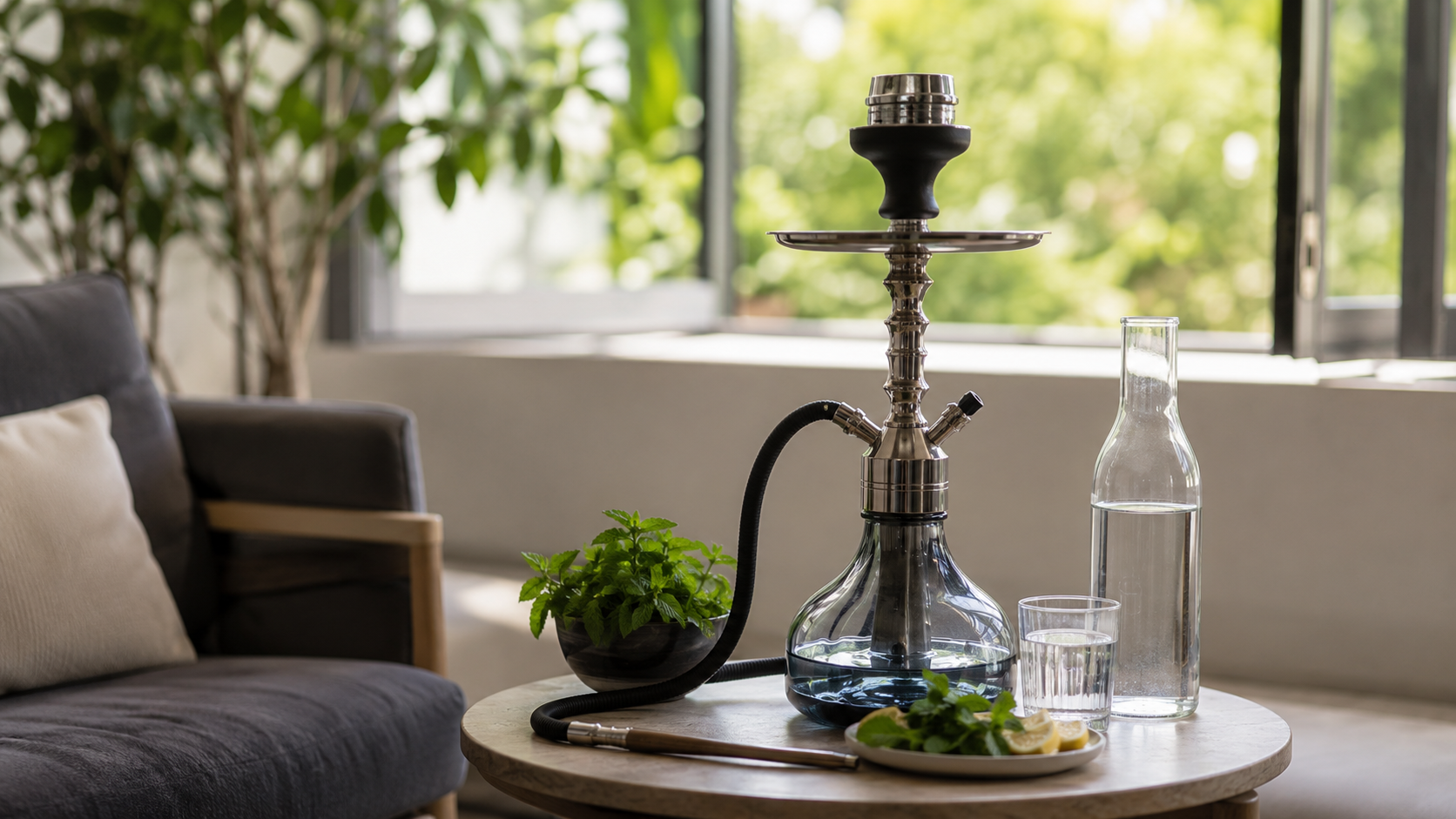
Social smoking is sometimes treated as a relaxed group activity, but using a shisha hookah still exposes the body to smoke, nicotine and other substances that can affect general wellbeing. Conversations about hookah vs shisha often focus on terminology, although the more important issue is how the smoking session influences breathing, hydration, sleep and daily energy. Even when smoke passes through water in a hookah pipe, it is not made harmless, so people should understand the health considerations before making it part of a regular social routine.
Water Does Not Remove Every Risk
One common misunderstanding is that water filters out most harmful substances before the smoke is inhaled. While the water may cool the smoke and change how it feels, it does not remove all nicotine, carbon monoxide or toxic chemicals.
The cooler sensation can make the experience seem less harsh than other forms of smoking. This may encourage deeper inhalation or longer sessions, which can increase the total amount of smoke entering the lungs.
A session may also last much longer than a brief cigarette break. The effect on the body depends on the tobacco or herbal mixture, the charcoal used, the session length, ventilation and how frequently a person participates.
Products advertised as herbal or nicotine-free should not automatically be considered harmless. Burning charcoal and plant material can still create smoke and fine particles that irritate the respiratory system.
Breathing and Physical Comfort
Smoke can affect the nose, throat and lungs, particularly for people with asthma, allergies or other respiratory sensitivities. Some individuals may notice coughing, chest tightness, throat irritation or shortness of breath during or after a session.
Poorly ventilated indoor spaces may make these symptoms more noticeable. Smoke and carbon monoxide can build up when windows remain closed or several devices are being used in the same area.
Anyone who experiences dizziness, nausea, headache, confusion or unusual weakness should leave the smoky area and seek fresh air. Persistent or severe symptoms require medical attention.
Regular movement, time outdoors and smoke-free environments can support respiratory comfort. However, exercise does not cancel out smoke exposure. Physical activity is beneficial for general health, but it should not be treated as a way to offset smoking.
Hydration and Energy Levels
Social sessions are often combined with sweet drinks, caffeine, late nights or alcohol. These habits can influence hydration and energy independently of the smoke itself.
Dry mouth and thirst may develop during a long session, especially in warm or crowded surroundings. Drinking water can support hydration, but it does not remove toxins from the lungs or bloodstream.
Carbon monoxide exposure may reduce the amount of oxygen transported around the body. This can contribute to headaches, fatigue or reduced concentration.
People may also feel tired the following day because the session continued late into the evening. A practical wellness approach includes paying attention to session length, fluid intake, room ventilation and the effect on energy afterwards.
Sleep and Recovery
Nicotine is a stimulant, so evening use can affect the ability to fall asleep or maintain restful sleep. A person may feel relaxed socially while their nervous system is still responding to nicotine.
Late-night gatherings can also disrupt normal sleep schedules. Bright lighting, conversation, caffeine and travel home may delay bedtime even when the smoking itself feels calming.
Sleep supports concentration, mood, immune function and physical recovery. When a social habit repeatedly reduces sleep quality, the wider effect can appear as irritability, low motivation or poor focus.
Tracking how the body feels the following morning can help a person identify patterns. Frequent headaches, fatigue or disrupted sleep may suggest that the activity is affecting overall wellbeing more than expected.
Shared Equipment and Hygiene
Sharing mouthpieces can increase the chance of passing saliva, germs and respiratory infections between users. Disposable individual mouthpieces can reduce direct contact, but they do not eliminate the risks associated with smoke.
Equipment should be cleaned thoroughly between uses. Hoses, bowls, bases and other components may collect residue if they are not maintained correctly.
Hand hygiene also matters when several people handle the same equipment, charcoal tools, drinks or food. These basic precautions are especially important during cold and flu season.
People who are unwell should avoid sharing equipment or attending indoor smoking sessions. Staying home while sick is a simple way to protect others and support personal recovery.
Making More Informed Choices
General wellness is shaped by repeated habits rather than one isolated decision. Frequency, duration and environment all influence how a social smoking routine may affect health.
Reducing the number of sessions, shortening the time spent smoking and choosing well-ventilated settings may lower some exposure, although they do not make the activity safe. Avoiding tobacco and smoke exposure completely remains the most effective way to reduce related health risks.
Those who want to stop using nicotine may benefit from speaking with a pharmacist, general practitioner or smoking cessation service. Professional support can help people manage cravings and choose an approach that suits their circumstances.
It is also important to avoid using smoking as the main way to manage stress. Walking, exercise, music, breathing exercises, social activities and regular sleep can provide healthier forms of relaxation.
Understanding the effects of smoke allows people to make decisions based on evidence rather than assumptions. A balanced approach to wellness includes honest attention to breathing, sleep, energy, hygiene and the habits that influence long-term health.